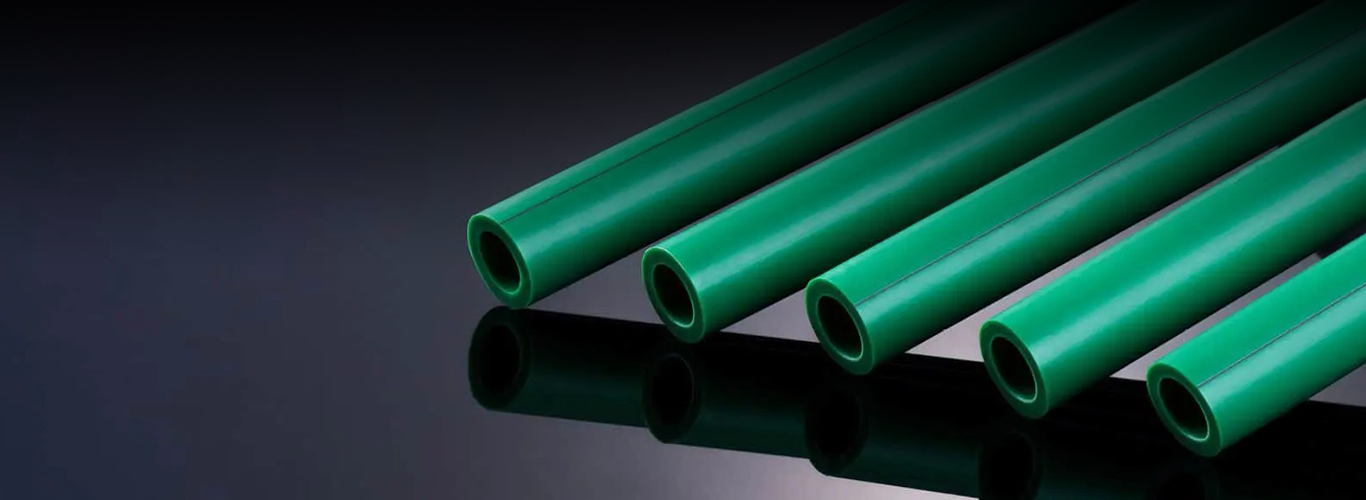
TECHNICAL INFORMATION – PPR (Polypropylene Random copolymer) – One of the leading PPR pipes manufacturers in India, KPT is dedicated to bringing evolution to the plumbing system, irrigation systems, and other commercial uses of pipes through technological advancement and practical knowledge in the science of piping. With the use of our pipes in the extensive variety of applications, our PPR fittings suppliers and exporters have been distributing the best quality pipes for use in various systems.
Prone to rust, leakage or any external force, KPT brings to you a piping system made with revolutionary Basel & Hyosung material. Our pipe fittings have been certified for production, according to the plastic PPR pipes catalogue. Apart from this, we have unique mechanical properties of pipes that have been produced with adequate anti-oxidants to withstand any combined effort of pressure and temperature, making us one of the finest PPR pipes manufacturers and exporters in India.
The PPR pipes are made from the best Basel & Hyosung material in accordance with DIN 8078 & DIN 16962 standards. This raw material is used to create pipes through extrusion and fittings through molding, transforming the final product with an influx of temperature to plasticize the material.
Shouldering the reputation of the excellent PPR pipe manufacturers in India, our pipes can endure heat and its physical and chemical properties ensures that it could carry potable water and that too in the heating sector. These fabulous features makes it possible to use pipes for a constant temperature of 700 C, offering a service of 50 years.
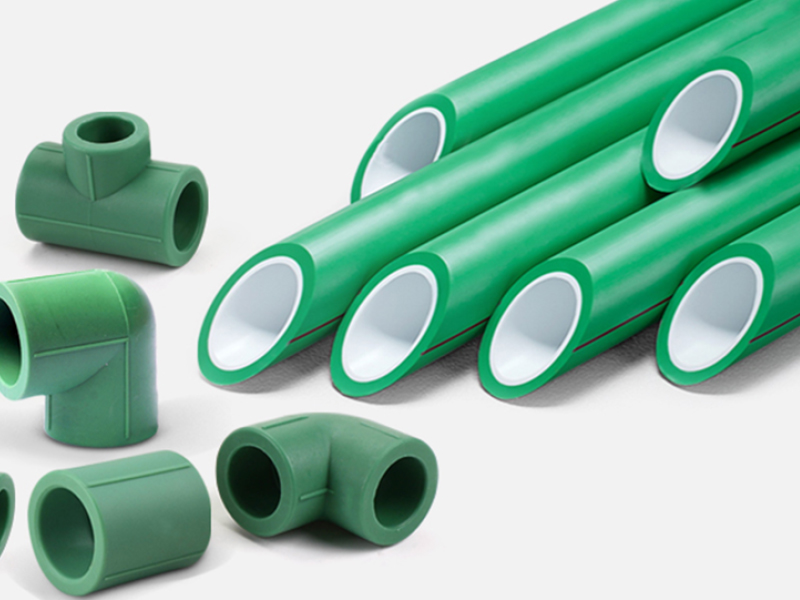
PPR (Polypropylene Random Copolymer) pipes and fittings are advanced thermoplastic piping systems widely used in water supply and fluid transfer applications. Manufactured using high-grade polypropylene material, PPR pipes are designed to handle high temperatures, pressure variations, and chemical exposure without losing performance.
One of the key highlights of PPR piping systems is their fusion welding jointing method, where pipes and fittings are heat-welded to form a seamless, leak-proof connection. This ensures superior strength and reliability throughout the system’s life cycle.
The construction industry is shifting toward sustainable and long-lasting materials, and PPR pipes perfectly align with this trend. Their advanced properties, combined with low maintenance and eco-friendly features, make them a preferred option among architects, engineers, and builders.
PPR pipes are considered future-ready because they:
These advantages make them suitable for modern infrastructure and high-demand environments.
PPR pipes and fittings are known for their adaptability and high performance, making them suitable for a wide range of sectors. Their strength, hygiene, and durability allow them to perform efficiently in both domestic and industrial environments.
Residential Plumbing SystemsPPR pipes are widely used in homes and apartments for reliable hot and cold water distribution. They are ideal for kitchen plumbing, bathroom pipelines, and drinking water supply, ensuring safe and hygienic water flow for everyday use.
Commercial InfrastructureIn commercial spaces such as shopping malls, office complexes, hotels, and educational institutions, PPR piping systems provide long-lasting and low-maintenance water supply solutions that can handle high usage and pressure demands.
Hospitals and Healthcare FacilitiesHygiene is critical in healthcare environments, and PPR pipes offer a non-toxic and corrosion-free solution for clean water supply. They help maintain safe water conditions in hospitals, clinics, laboratories, and other medical facilities.
Industrial ApplicationsPPR pipes are widely used in industrial setups for transporting chemicals, compressed air, and process water. Their chemical resistance and strength make them a dependable choice for demanding industrial operations.
Agriculture and IrrigationIn the agricultural sector, PPR pipes are used for efficient irrigation systems and water distribution networks. Their durability and resistance to environmental conditions make them ideal for long-term outdoor use.
HVAC and Temperature Control SystemsPPR piping systems are suitable for heating, ventilation, and air conditioning (HVAC) applications. They efficiently handle hot and chilled water circulation, ensuring reliable performance in climate control systems.
PPR pipes are made of polypropylene random copolymer and are used in various applications, from hot and cold water plumbing to industrial fluid handling. PPR pipes are known for their high strength and durability, as well as their resistance to corrosion and chemical attack.
In addition to their use in residential plumbing, PPR pipes are also popular for commercial plumbing applications. PPR pipes are often used in commercial buildings for drainage and sewer lines. PPR pipes are an ideal choice for these applications thanks to their resistance to corrosion and chemicals. These pipes are also often used in food and beverage processing plants because they are non-toxic and can withstand high temperatures.
PPR pipes are designed to withstand temperatures up to 95°C, making them perfect for hot water systems in residential and commercial setups. Their low thermal conductivity reduces heat loss and maintains water temperature for longer durations. This results in improved energy efficiency and lower utility costs over time.
Made from non-metallic material, PPR pipes do not rust, corrode, or form scale deposits inside the pipeline. They preserve water purity and do not react with drinking water, ensuring safe and hygienic supply. This makes them ideal for potable water systems in homes, hospitals, and commercial buildings.
PPR pipes are engineered to handle high pressure and varying load conditions, making them suitable for high-rise and industrial applications. Despite being lightweight, they offer excellent impact resistance and structural strength. This combination ensures long-lasting durability with minimal risk of damage or failure.
With advanced heat fusion welding, PPR pipes create seamless, leak-proof joints that become as strong as the pipe itself. This eliminates the risk of leakage and reduces water wastage. Their corrosion-free nature also ensures minimal maintenance and long-term cost savings.
The smooth inner surface of PPR pipes prevents friction loss, scaling, and blockages, ensuring consistent water pressure and flow. They are also highly resistant to a wide range of chemicals, acids, and alkalis. This makes them suitable for both domestic plumbing and industrial fluid transport systems.
PPR pipes are fully recyclable and produced through environmentally responsible manufacturing processes. They help conserve water by preventing leakage and reducing energy loss. This makes them an excellent choice for green buildings and sustainable infrastructure projects.
PPR pipes are manufactured with UV stabilization properties that protect them from sunlight exposure and environmental damage. This prevents degradation when used in outdoor or rooftop installations. As a result, they perform efficiently in both indoor and exposed environments.
When selecting a modern piping system, it is important to look beyond basic characteristics and understand the unique engineering features that make PPR pipes stand out in the plumbing industry. These features are specifically designed to enhance performance, simplify installation, and ensure long-term reliability in diverse applications.
PPR pipes use a heat fusion process that creates a single, continuous structure between the pipe and fitting. Unlike threaded or solvent-based joints, this method forms a unified material layer, eliminating weak connection points and ensuring maximum structural integrity.
Advanced variants such as composite PPR pipes come with multi-layer reinforcement, including fiber or aluminum cores. This construction improves dimensional stability and ensures consistent performance even in high-load conditions.
The internal bore of PPR pipes is designed with precision-calibrated smoothness, ensuring higher water flow rates with minimal turbulence. This feature is especially useful in high-demand plumbing systems such as hotels, hospitals, and commercial buildings.
PPR pipes naturally reduce heat transfer due to their material structure. This built-in insulation capability helps maintain water temperature and reduces the need for additional insulation layers in many applications.
Specialized PPR pipes are available with fire-retardant properties, making them safer for use in buildings where fire safety compliance is essential.
Modern PPR piping systems are compatible with automated and smart plumbing infrastructure, making them suitable for use in smart homes, green buildings, and high-tech commercial projects.
Choosing PPR pipes and fittings delivers long-term value, reliability, and peace of mind for residential, commercial, and industrial projects. Below are the key advantages that make PPR systems a smart investment:
PPR piping systems are built for durability and can perform efficiently for up to 50 years or more when installed correctly. This long service life reduces the need for frequent replacements, making it a dependable solution for modern infrastructure.
While the initial cost may be slightly higher than conventional piping materials, the reduced maintenance, repair, and replacement expenses make PPR pipes highly economical over time.
With heat fusion jointing, PPR pipes form a secure and permanent connection that minimizes the risk of leaks. This ensures a consistent and efficient plumbing system without water loss or structural damage.
PPR material is non-toxic and does not react with water, ensuring that the water remains clean, pure, and safe for drinking and daily use.
Since PPR pipes are resistant to rust, scaling, and blockages, they require very little upkeep. This reduces both maintenance effort and long-term service costs.
PPR pipes have natural insulation properties that help maintain water temperature. This reduces heat loss and improves overall energy efficiency in hot water systems.
PPR pipes are recyclable and manufactured using energy-efficient processes. Their long lifespan also reduces material waste, making them an eco-friendly plumbing solution.
Designed to withstand external stress and physical impact, PPR pipes maintain their structural integrity even in demanding conditions, ensuring long-lasting performance.
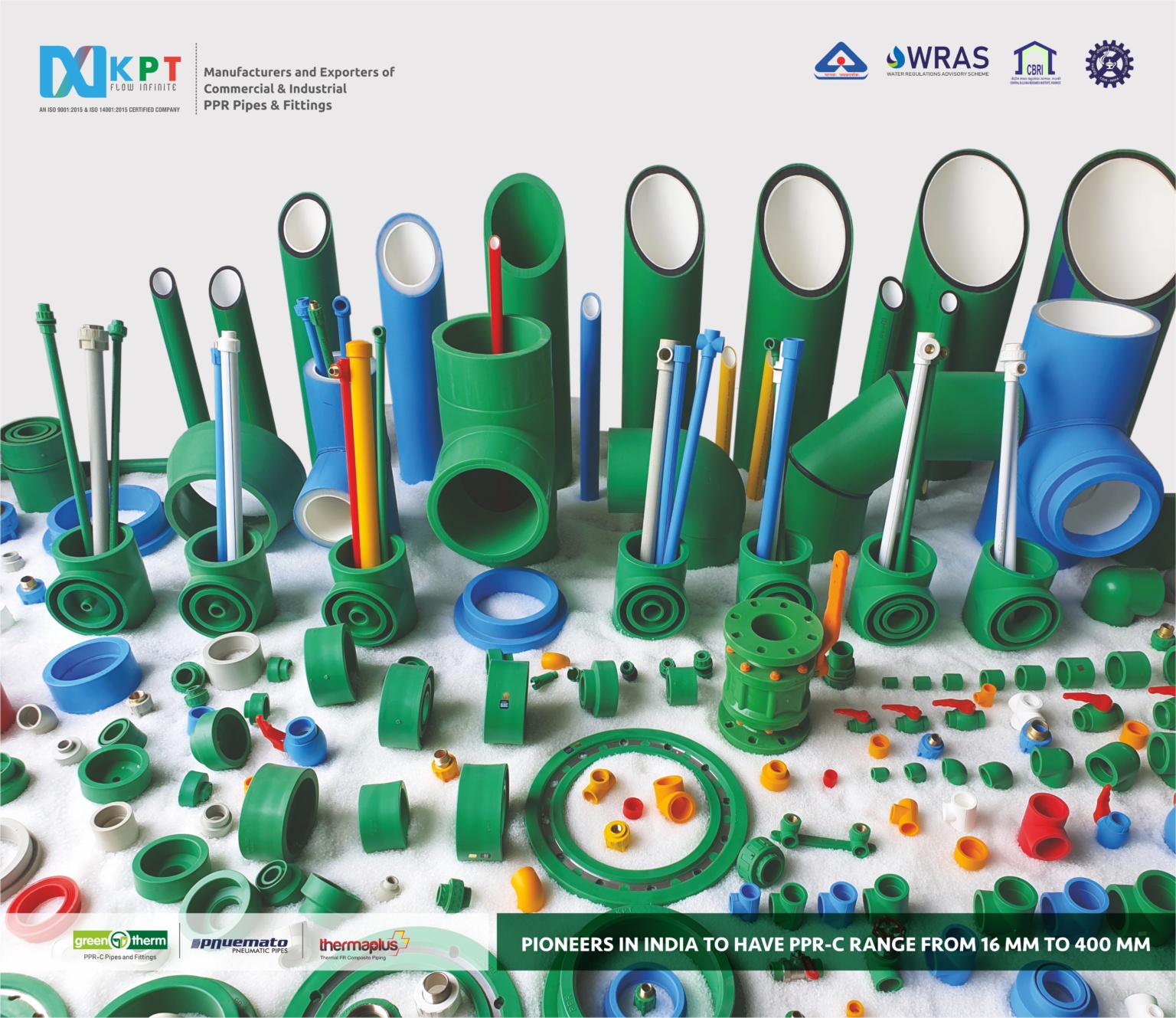
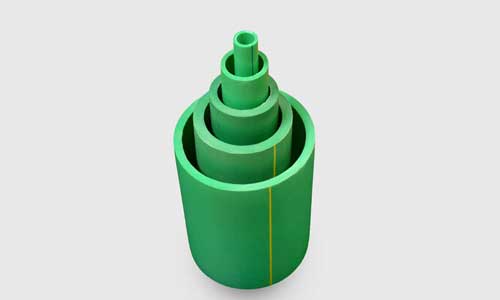
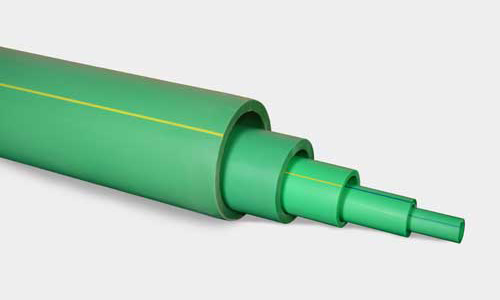
PPR, otherwise called Polypropylene Random Copolymer, is a straight, inflexible round and hollow formed pipe created utilizing Polypropylene Random Copolymer plastic, delivered through a constant expulsion process. They are mostly introduced in green or white shades and are thicker than PVC pipes.
PPR pipes are one of the most popular types of pipelines available today. This type of pipe is used for a variety of different applications, including gas transmission, water supply, and irrigation. PPR pipes offer a number of advantages over conventional metal pipes. They can withstand high pressures and flow with smaller-diameter pipes.
PPR and PVC are two different kinds of pipes. Each has a different range of features and applications. Understanding the contrast between them prior to introducing your pipes is significant. You can direct their utilization and guarantee that the water flowing through them is of high quality.
At KPT Pipes, the pipes are made from high-quality raw materials and are suitable for commercial and industrial use. They are resistant to a wide range of chemical and physical substances and are suitable for applications that involve heat transfer. The methods used by KPT pipes eliminates the need for adhesives and potential leak points.
One of the major advantages of PPR Pipes and fittings is their flexibility and durability. These pipes are much lighter and easier to handle than steel pipes. They are also bendable and do not break when bent sharply.
© 2025-26 KPT Piping System. All Right Reserved. | Privacy Policy


