
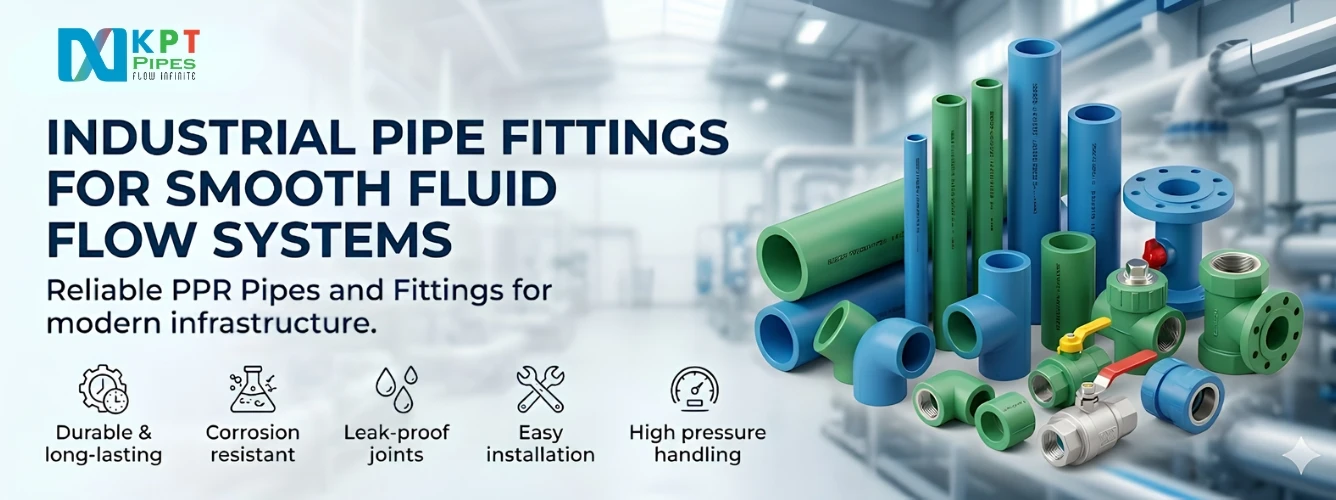
In today’s fast-growing industrial landscape, efficient fluid transportation systems are essential for smooth operations. From manufacturing plants and chemical industries to residential projects and commercial buildings, the demand for reliable Industrial Pipes and Fittings has increased significantly. These systems play a vital role in carrying water, chemicals, gases, and other fluids safely and efficiently. Choosing high-quality piping solutions not only improves performance but also reduces maintenance costs and enhances durability.
Modern industries rely heavily on advanced piping technologies that can withstand pressure, temperature fluctuations, and harsh environmental conditions. Among the various options available, PPR Pipes have emerged as one of the most preferred solutions due to their strength, flexibility, and long service life.
Table of Contents
ToggleImportance of Industrial Pipes and Fittings
Industrial piping systems are considered the backbone of many industries. They ensure uninterrupted fluid flow while maintaining safety and operational efficiency. High-quality Industrial Pipes and Fittings are designed to prevent leakage, corrosion, and pressure-related damage, making them highly reliable for long-term use.
Industries such as pharmaceuticals, food processing, agriculture, fire safety, and construction require durable piping systems to maintain productivity. Properly installed fittings help connect pipes securely, ensuring a smooth and leak-proof flow of fluids. Without efficient piping systems, industries may face operational downtime, increased maintenance expenses, and safety concerns.
Growing Demand for PPR Pipes
Over the years, PPR Pipes have gained immense popularity in industrial and plumbing applications. PPR stands for Polypropylene Random Copolymer, a material known for its excellent thermal resistance and durability. These pipes are widely used for hot and cold water systems, industrial fluid transportation, and chemical handling applications.
One of the major reasons behind the popularity of PPR Pipes is their resistance to corrosion and chemical reactions. Unlike traditional metal pipes, they do not rust or develop scale deposits over time. This feature ensures a clean and uninterrupted flow of fluids, making them ideal for modern industrial systems.
Key Features of Industrial Pipes and Fittings
1. High Durability
Quality Industrial Pipes and Fittings are manufactured to withstand extreme pressure and temperature conditions. Their durable construction ensures long-lasting performance even in demanding industrial environments.
2. Corrosion Resistance
Industrial environments often involve exposure to chemicals and moisture. Advanced piping systems such as PPR Pipes offer excellent resistance to rust and corrosion, increasing their lifespan significantly.
3. Leak-Proof Connections
Efficient fittings help create secure and leak-proof joints. This minimizes water loss and prevents operational disruptions in industrial systems.
4. Low Maintenance
Modern industrial piping systems require minimal maintenance compared to traditional metal pipes. Their smooth internal surface prevents clogging and scaling, ensuring consistent fluid flow.
5. Eco-Friendly Solution
Many modern pipes are manufactured using recyclable materials, making them environmentally friendly and energy-efficient solutions for industries.
Applications of Industrial Pipes and Fittings
Construction Industry
In residential and commercial construction projects, Industrial Pipes and Fittings are widely used for water supply systems, drainage systems, and HVAC applications. Their durability ensures long-term reliability in buildings.
Chemical Industries
Chemical plants require piping systems that can handle corrosive substances safely. PPR Pipes are highly suitable for such applications because they resist chemical reactions and maintain fluid purity.
Food and Beverage Industry
Hygiene is extremely important in food processing units. Modern piping systems prevent contamination and help maintain clean fluid transportation.
Agriculture Sector
Agricultural irrigation systems rely on durable pipes for efficient water distribution. High-quality piping systems help reduce water wastage and improve productivity.
Fire Fighting Systems
Industrial and commercial buildings require reliable fire protection systems. Advanced piping solutions are widely used in fire safety networks due to their strength and pressure-handling capabilities.
Advantages of Using PPR Pipes
The increasing preference for PPR Pipes is mainly due to their numerous benefits over traditional piping materials. Some major advantages include:
- Excellent resistance to high temperatures
- Long operational lifespan
- Lightweight and easy installation
- Smooth internal surface for better flow
- Chemical and corrosion resistance
- Cost-effective maintenance
- Environmentally friendly material
These benefits make PPR Pipes an ideal choice for industries looking for reliable and efficient piping solutions.
Choosing the Right Industrial Pipes and Fittings
Selecting the right piping system is crucial for ensuring efficiency and safety. Industries should consider factors such as pressure requirements, temperature conditions, chemical compatibility, and installation environment before choosing pipes and fittings.
It is also important to source products from trusted manufacturers that follow strict quality standards. High-quality Industrial Pipes and Fittings ensure better performance, reduced maintenance costs, and improved operational reliability.
Future of Industrial Piping Systems
With advancements in technology, the industrial piping sector continues to evolve rapidly. Modern industries are now focusing on energy-efficient and sustainable piping solutions. The demand for high-performance materials like PPR Pipes is expected to grow further due to their durability and eco-friendly properties.
Smart industrial systems also require advanced piping networks capable of supporting automation and efficient fluid management. As industries continue to modernize, innovative piping solutions will play a major role in improving productivity and operational efficiency.
Conclusion
Efficient fluid transportation is essential for the smooth functioning of industrial operations. High-quality Industrial Pipes and Fittings provide durability, safety, and long-term performance across various applications. Among modern piping solutions, PPR Pipes stand out due to their corrosion resistance, thermal stability, and low maintenance requirements.
By investing in reliable piping systems, industries can improve operational efficiency, reduce maintenance costs, and ensure uninterrupted fluid flow. As industrial infrastructure continues to expand, advanced piping technologies will remain a key component of modern development.
FAQs
Q1. What are Industrial Pipes and Fittings used for?
Ans: They are used for transporting fluids, gases, and chemicals safely in industrial, commercial, and residential applications.
Q2. Why are PPR Pipes popular in industries?
Ans: PPR Pipes are durable, corrosion-resistant, lightweight, and suitable for both hot and cold fluid transportation.
Q3. Are PPR Pipes suitable for chemical industries?
Ans: Yes, they offer excellent resistance to chemicals and corrosion, making them ideal for chemical applications.
Q4. How long do industrial piping systems last?
Ans: High-quality industrial piping systems can last for several decades with proper installation and maintenance.
Q5. Do Industrial Pipes and Fittings require regular maintenance?
Ans: Modern piping systems require minimal maintenance due to their durable and corrosion-resistant properties.