
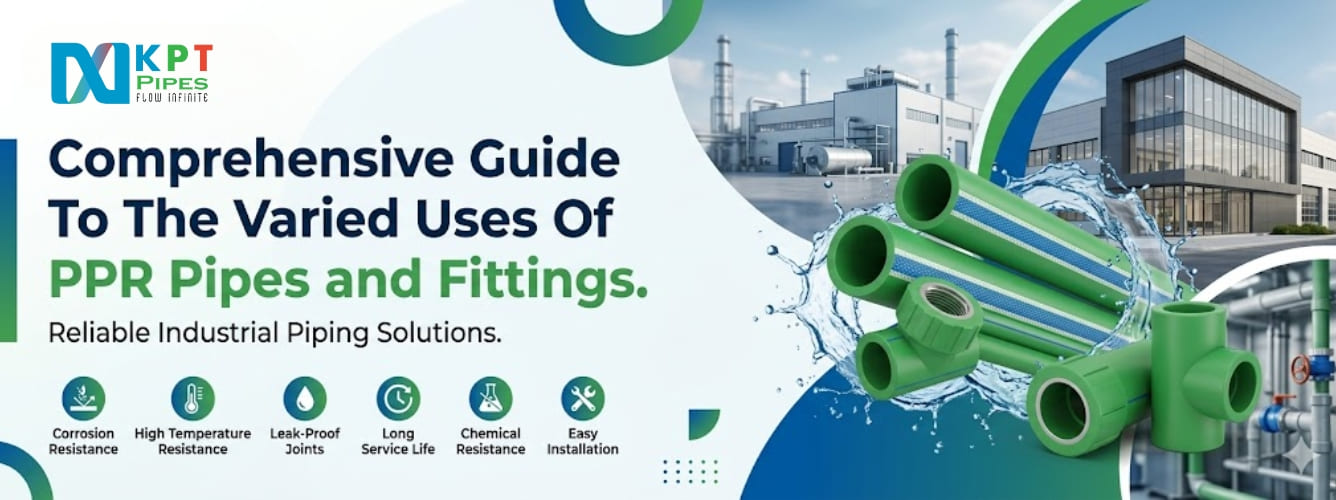
Modern plumbing and fluid transportation systems require materials that offer durability, efficiency, and long-term performance. Among the many options available today, PPR Pipes and Fittings have become a preferred choice for residential, commercial, and industrial projects. Manufactured from Polypropylene Random Copolymer, these pipes are known for their strength, corrosion resistance, and ability to handle both hot and cold water applications.
As infrastructure and construction standards continue to evolve, the demand for reliable piping systems is increasing. PPR technology meets these expectations by providing safe, hygienic, and cost-effective solutions for a wide range of applications. This guide explores the major uses of PPR pipes and fittings and explains why they are widely trusted across different sectors.
Table of Contents
ToggleWhat Makes PPR Pipes Unique?
PPR pipes are engineered to withstand varying temperatures, pressure levels, and environmental conditions. Unlike traditional metal pipes, they do not rust, corrode, or develop scale deposits over time. Their smooth internal surface ensures efficient fluid flow, reducing energy consumption and maintenance costs.
Some key benefits include:
- High resistance to corrosion and chemicals
- Long service life of over 50 years under proper conditions
- Lightweight and easy installation
- Leak-proof heat fusion joints
- Suitable for hot and cold water systems
- Eco-friendly and recyclable material
These advantages make PPR pipes an ideal choice for modern plumbing infrastructure.
Major Applications of PPR Pipes and Fittings
1. Residential Water Supply Systems
One of the most common uses of PPR pipes is in residential plumbing. Modern homes require dependable water distribution systems that can deliver clean water without contamination. PPR pipes provide a hygienic solution because they do not react with water or release harmful substances.
They are widely used for:
- Cold water distribution
- Hot water supply lines
- Kitchen and bathroom plumbing
- Overhead tank connections
- Underground water pipelines
Their leak-proof joints and resistance to scaling help maintain water quality while reducing repair requirements.
2. Commercial Building Plumbing
Commercial establishments such as offices, shopping centers, schools, hotels, and hospitals depend on uninterrupted water supply systems. PPR pipes are capable of handling higher pressure and temperature requirements, making them suitable for large-scale installations.
Benefits in commercial projects include:
- Consistent water flow across multiple floors
- Reduced maintenance costs
- Excellent thermal insulation
- Long operational life
- Resistance to chemical cleaning agents
Because of these features, builders and contractors increasingly prefer PPR piping systems for commercial developments.
3. Industrial Fluid Transportation
Industries often require piping systems that can transport water, chemicals, and process fluids safely. PPR pipes possess excellent chemical resistance, making them suitable for many industrial environments.
Common industrial applications include:
- Chemical processing plants
- Manufacturing facilities
- Water treatment plants
- Food processing units
- Pharmaceutical industries
Their ability to resist corrosion helps minimize operational downtime and replacement expenses, resulting in greater efficiency for industrial operations.
4. Hot Water Distribution Systems
Traditional piping materials often struggle with long-term exposure to high temperatures. PPR pipes, however, are specifically designed to handle hot water applications effectively.
These systems are frequently used in:
- Residential hot water networks
- Hotels and resorts
- Hospitals
- Industrial heating systems
- Centralized water heating projects
The excellent thermal stability of PPR pipes ensures reliable performance even under continuous hot water circulation.
5. HVAC and Air Conditioning Systems
Heating, Ventilation, and Air Conditioning (HVAC) systems require efficient piping networks for transporting chilled and heated water. PPR pipes are increasingly used in HVAC applications because of their thermal insulation properties and low heat loss.
Advantages include:
- Energy-efficient operation
- Reduced heat transfer losses
- Corrosion-free performance
- Lightweight installation
- Long service life
These benefits contribute to lower operating costs and improved system efficiency.
6. Compressed Air Distribution Networks
Compressed air is an essential utility in many industrial facilities. PPR pipes are becoming a popular alternative to metal piping systems because they resist corrosion and maintain smooth airflow.
Key benefits include:
- Reduced pressure losses
- No rust contamination
- Easy maintenance
- Lightweight construction
- Reliable long-term performance
The smooth internal surface minimizes friction, allowing compressed air systems to operate more efficiently.
7. Fire Fighting Systems
Safety is a critical requirement in commercial and industrial buildings. Specialized PPR fire-fighting piping systems are designed to transport water efficiently during emergency situations.
These systems are commonly installed in:
- Commercial complexes
- Warehouses
- Educational institutions
- Hospitals
- Manufacturing facilities
Their durability and reliability make them suitable for maintaining effective fire protection infrastructure.
8. Agricultural Irrigation Systems
Agriculture requires durable piping systems that can withstand constant exposure to water, fertilizers, and environmental conditions. PPR pipes are increasingly used in modern irrigation projects because of their resistance to chemicals and long lifespan.
Applications include:
- Drip irrigation systems
- Sprinkler networks
- Farm water distribution
- Greenhouse irrigation
- Water storage connections
Their ability to deliver water efficiently helps improve agricultural productivity while minimizing maintenance costs.
9. Renewable Energy Projects
The growing focus on sustainable energy solutions has increased the use of PPR pipes in renewable energy systems. Their ability to withstand temperature fluctuations makes them suitable for energy-efficient installations.
Common uses include:
- Solar water heating systems
- Geothermal applications
- Heat transfer systems
- Energy-efficient building projects
- Sustainable infrastructure developments
These systems benefit from the durability and thermal performance offered by PPR piping technology.
Comparison Table: Why PPR Pipes Stand Out
| Feature | PPR Pipes | Metal Pipes | Conventional Plastic Pipes |
|---|---|---|---|
| Corrosion Resistance | Excellent | Low | Moderate |
| Hot Water Handling | Excellent | Good | Limited |
| Installation Ease | Very Easy | Difficult | Easy |
| Service Life | 50+ Years | 20-30 Years | 15-25 Years |
| Chemical Resistance | High | Moderate | Moderate |
| Maintenance Requirement | Low | High | Medium |
| Leak-Proof Joints | Yes | Limited | Moderate |
| Cost Efficiency | High | Moderate | Moderate |
Why Builders and Contractors Prefer PPR Pipes
The popularity of PPR pipes continues to grow because they offer a balance of performance, affordability, and sustainability. Their fusion-welded joints create a single integrated system that significantly reduces leakage risks. Furthermore, their resistance to corrosion eliminates many common plumbing issues associated with traditional materials.
Whether used in residential buildings, industrial facilities, commercial complexes, or agricultural projects, PPR pipes provide dependable performance and long-term value.
Conclusion
PPR Pipes and Fittings have transformed modern plumbing and fluid transportation systems by offering durability, safety, and efficiency. Their wide range of applications extends from household water supply and commercial plumbing to industrial processing, HVAC systems, agriculture, renewable energy, and fire protection infrastructure.
As construction standards continue to advance, PPR piping systems remain a preferred solution due to their corrosion resistance, thermal stability, leak-proof performance, and extended service life. Choosing quality PPR pipes ensures reliable operation, lower maintenance costs, and long-term peace of mind for any project.
FAQs
Q1. What are PPR pipes mainly used for?
Ans: PPR pipes are primarily used for hot and cold water supply systems, industrial fluid transportation, HVAC installations, and agricultural irrigation.
Q2. How long do PPR pipes last?
Ans: Under proper installation and operating conditions, PPR pipes can last more than 50 years.
Q3. Are PPR pipes suitable for hot water applications?
Ans: Yes. PPR pipes are specifically designed to handle high-temperature water and heating systems efficiently.
Q4. Do PPR pipes corrode over time?
Ans: No. PPR pipes are highly resistant to corrosion, rust, and scale formation, making them ideal for long-term use.
Q5. Why are PPR pipes considered cost-effective?
Ans: Their long lifespan, low maintenance requirements, easy installation, and energy-efficient performance help reduce overall project costs.